Original Aquarius
Pictures built from characters
Choose character shapes and foreground/background colors to approximate a bitmap.
Convert bitmaps into static images for the original Mattel Aquarius, using block graphics or its built-in character patterns.
This converter turns a bitmap into a static picture for the original Mattel Aquarius. It searches for character shapes and foreground/background colors that resemble the source, then writes a BASIC program to display the result.
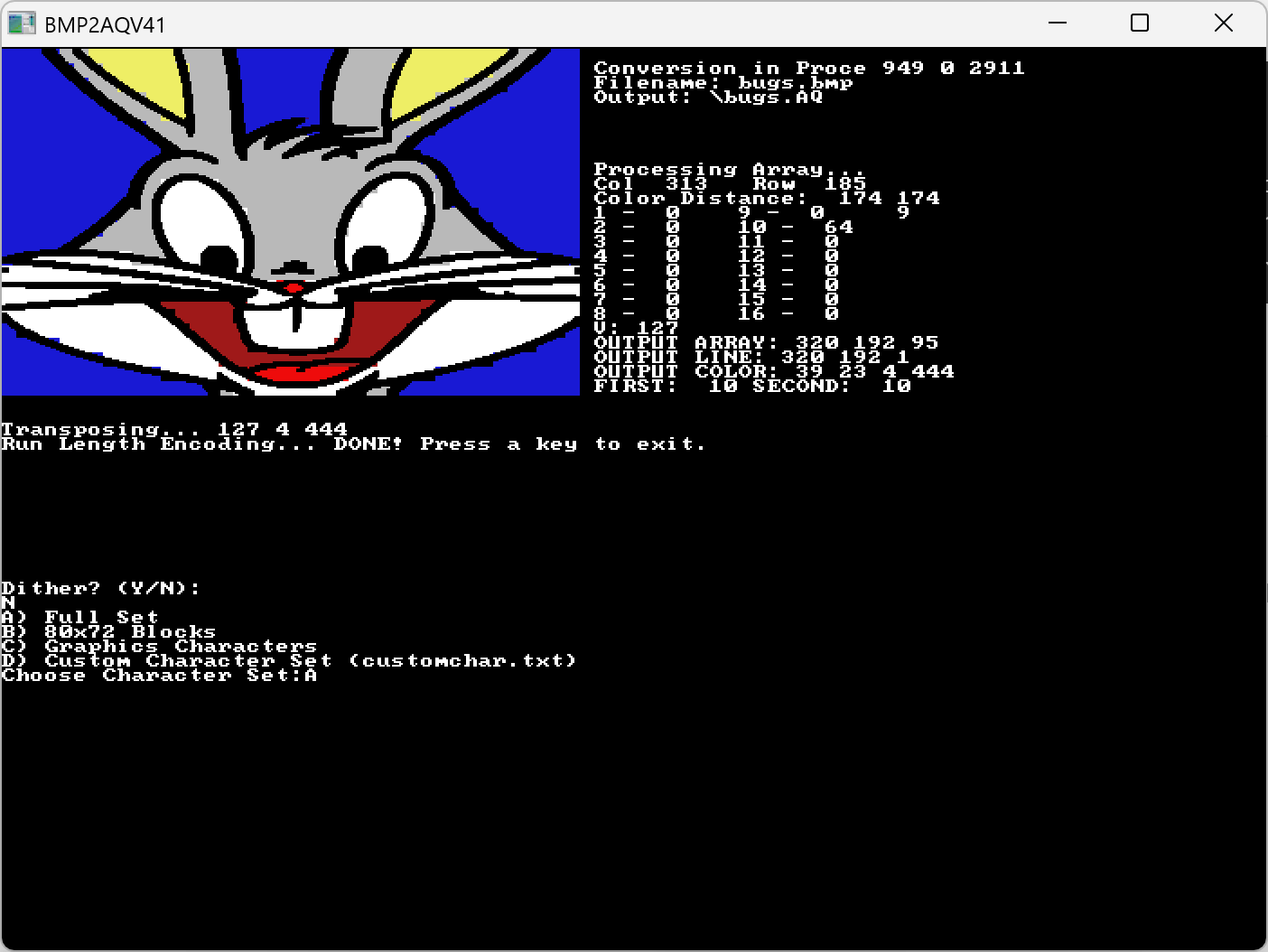
AQGraph, BMPAQ and versions 1 through 4 are stages of this same tool, progressing from 80×72 block graphics to finer character-pattern matching. The V4.1 interface offers the full character set, block characters, a graphics-character subset or a custom character set, plus a dithering choice. The later flicker converter is a separate project.
 Click to enlarge ↗
Original Aquarius
Choose character shapes and foreground/background colors to approximate a bitmap.
Preserved development
The surviving versions show the converter developing from block graphics into character-pattern matching.
V4.1.1 is the stable modern compiler compatible version, built for 32-bit Windows with FreeBASIC 1.10.0. Its refreshed ZIP includes the corrected BASIC output writer, matching source, custom character list, build instructions and four test images: Ariel, Bart, Space Quest and Sonic. The historical release packages remain available unchanged.
The early line endings in generated BASIC DATA statements have been fixed. The owner ran the corrected output in Virtual Aquarius and confirmed it worked perfectly. Automated tests also verify numbered lines and all 960 cells in each of the three screen-data sections. This is emulator validation, not a new physical Aquarius test.
The original announcement reports operation on a real Aquarius with a 16K cartridge. This is historical evidence, not a new hardware test.
Started remains around November 2010. The first public announcement is dated November 27, one day after the earliest source file located.
The exact first day of development and the original FreeBASIC build configuration remain unconfirmed.
The current corrected output has been confirmed in Virtual Aquarius. A complete conversion-mode regression pass and a new physical Aquarius test remain outstanding.
Modern compiler compatibility is verified with FreeBASIC 1.10.0 for 32-bit Windows. Other toolchains, legacy input handling and pixel-array bounds remain outside this output fix.
Verify historical source-to-binary matches and extend testing across the restored converter conversion modes.
Complete the source acknowledgements and test restored builds on the original Aquarius.
Select an image to enlarge it and browse the gallery.
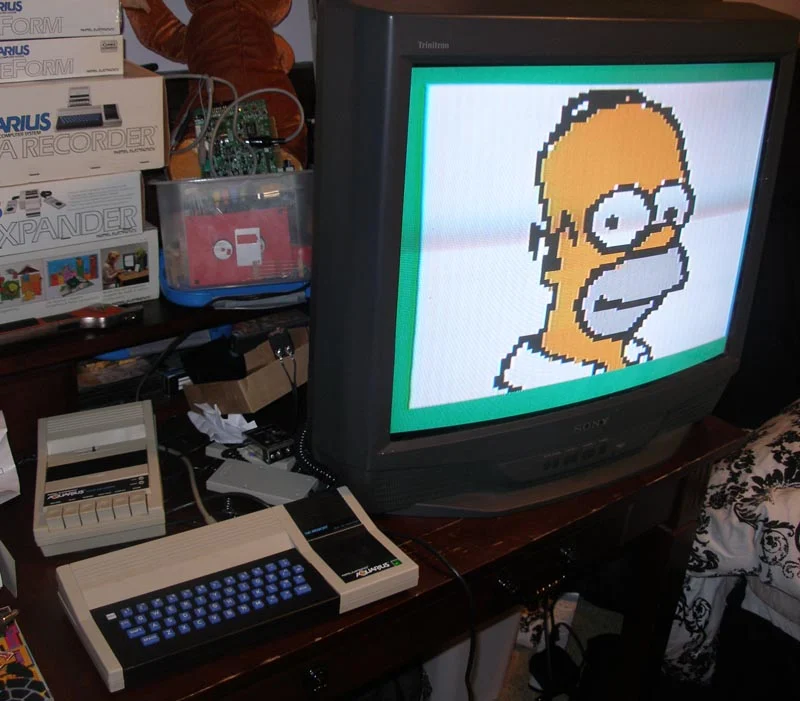
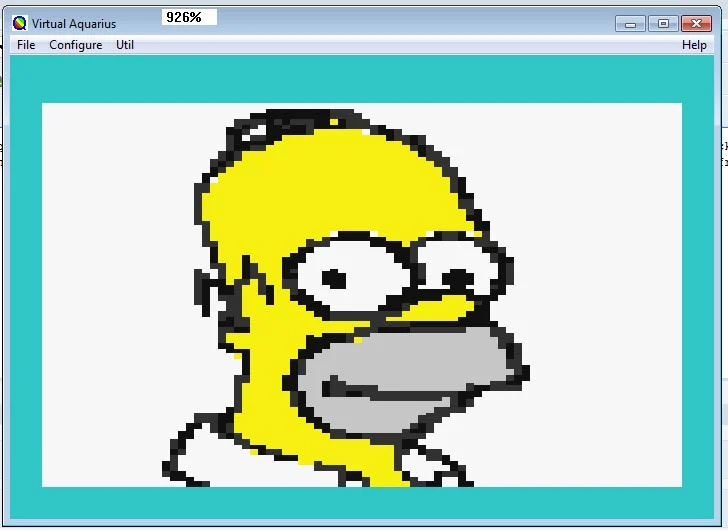
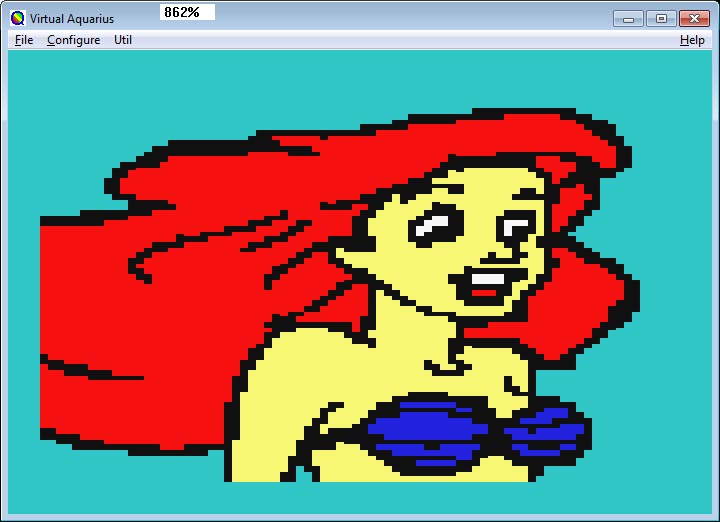
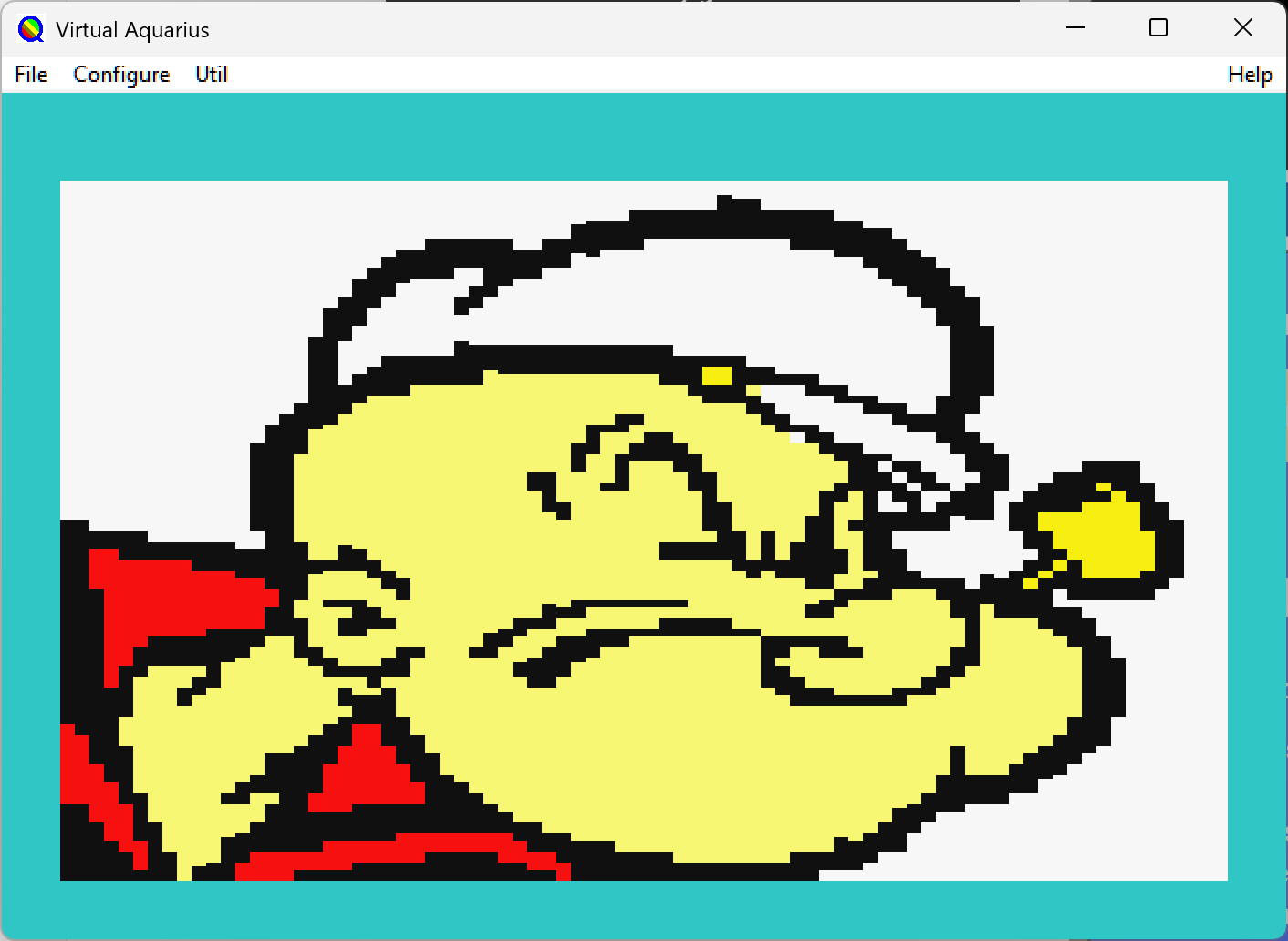
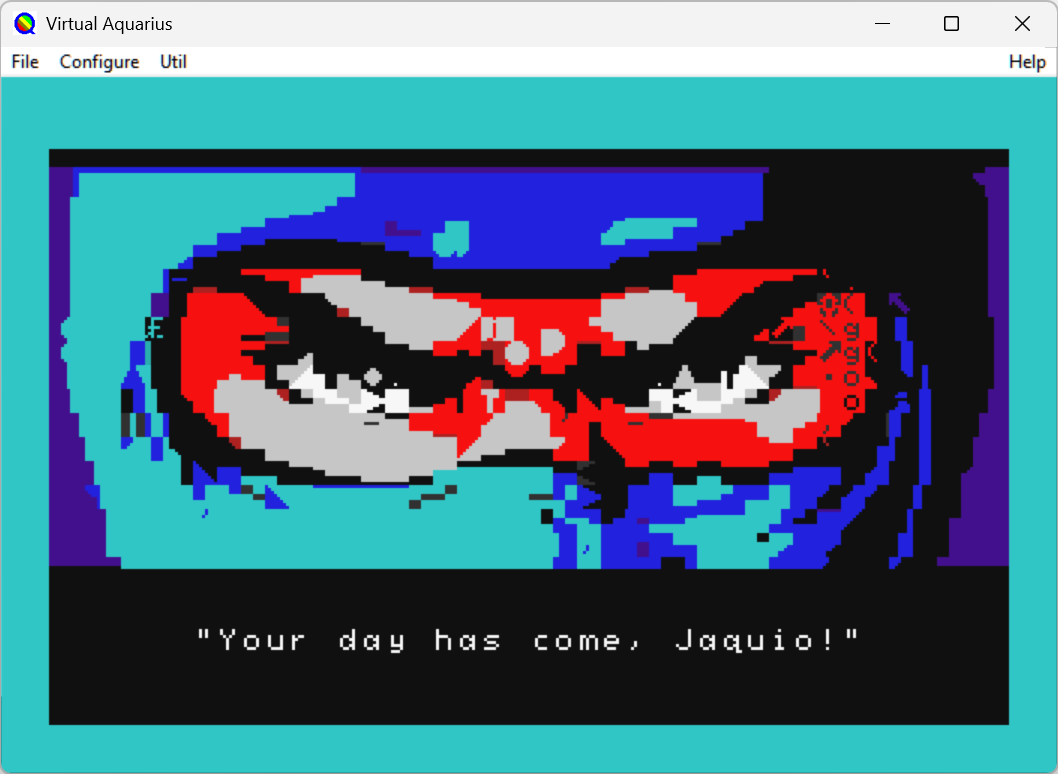
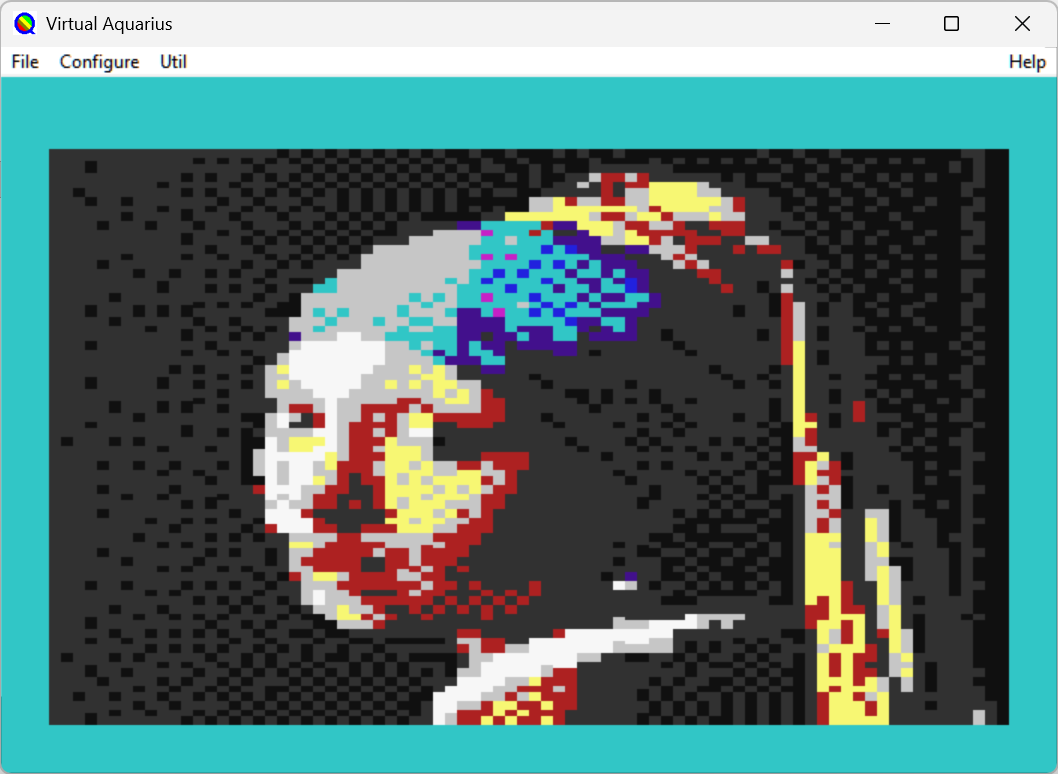
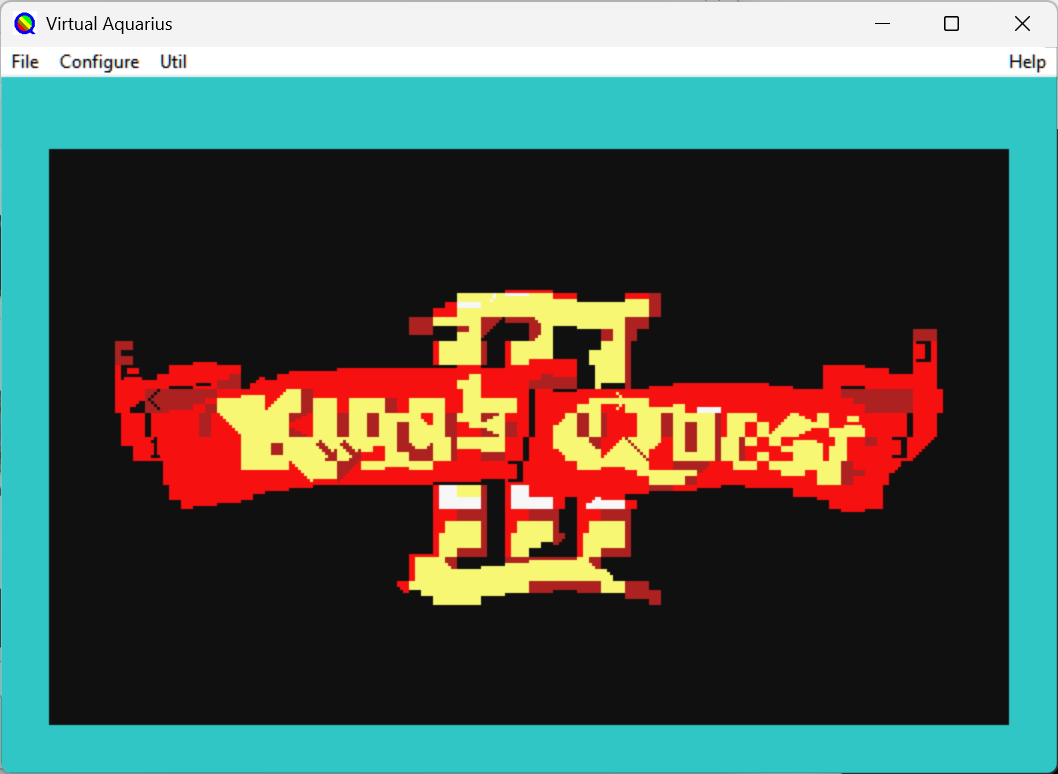
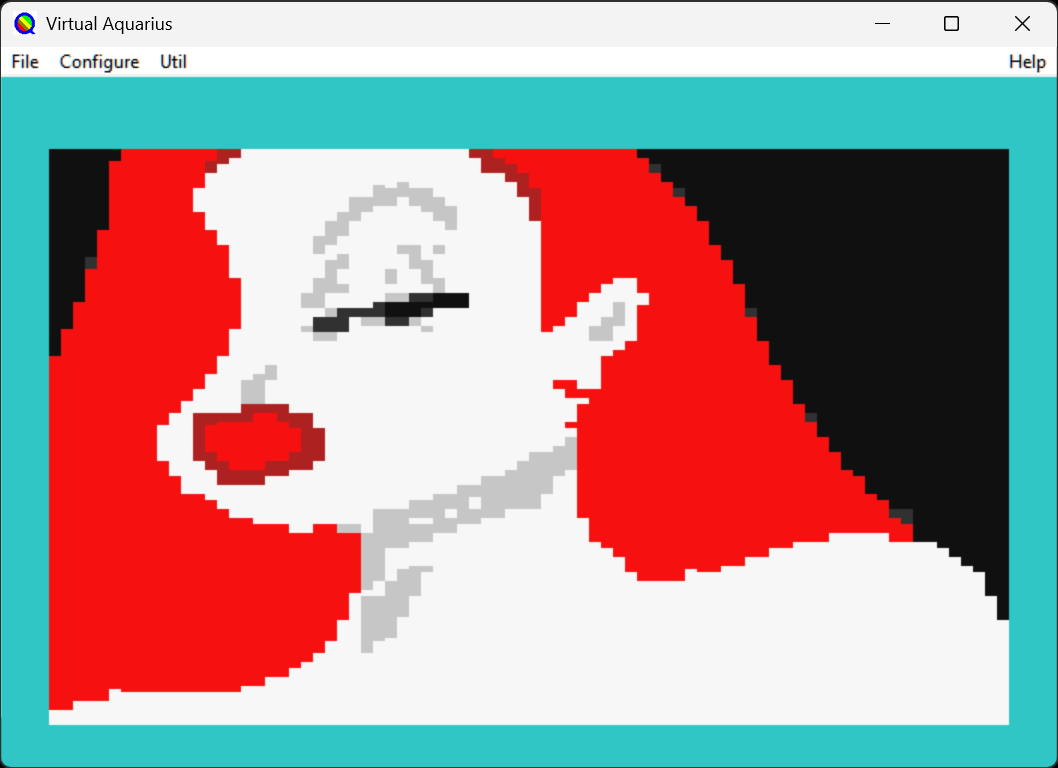
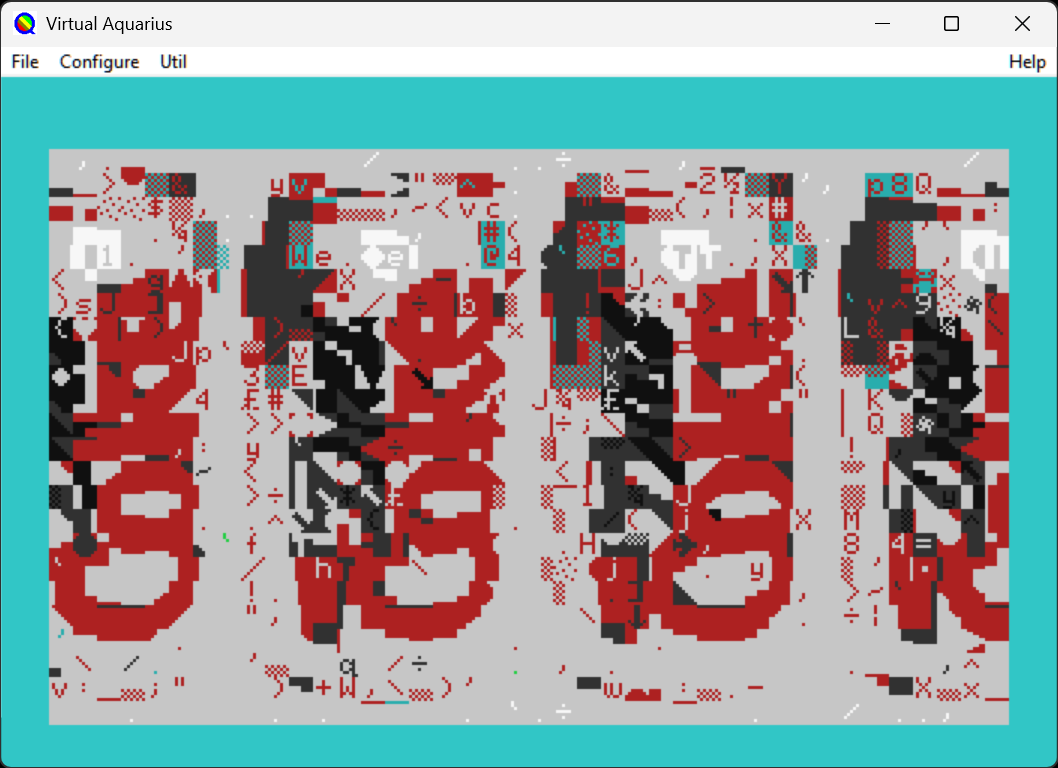
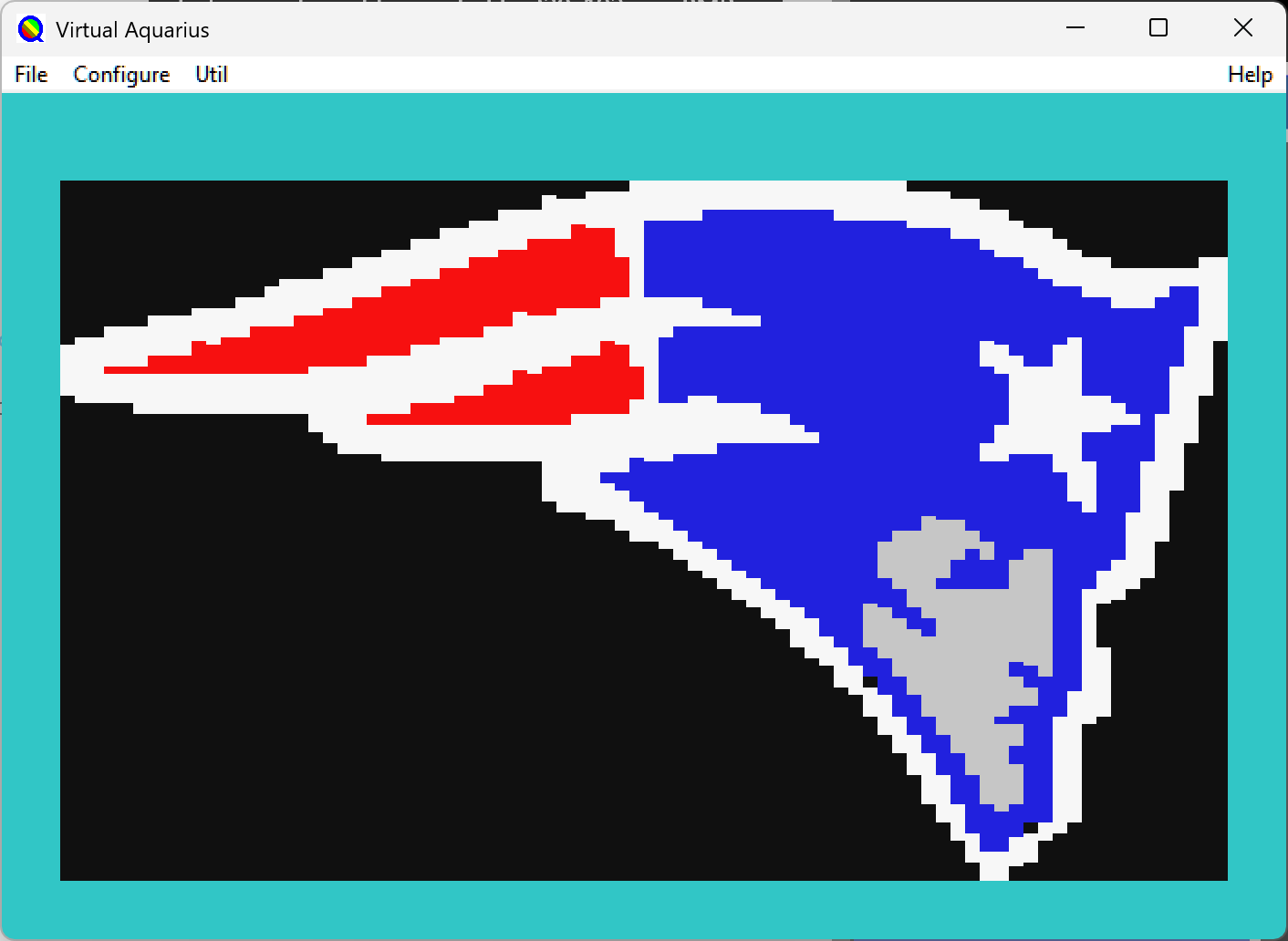
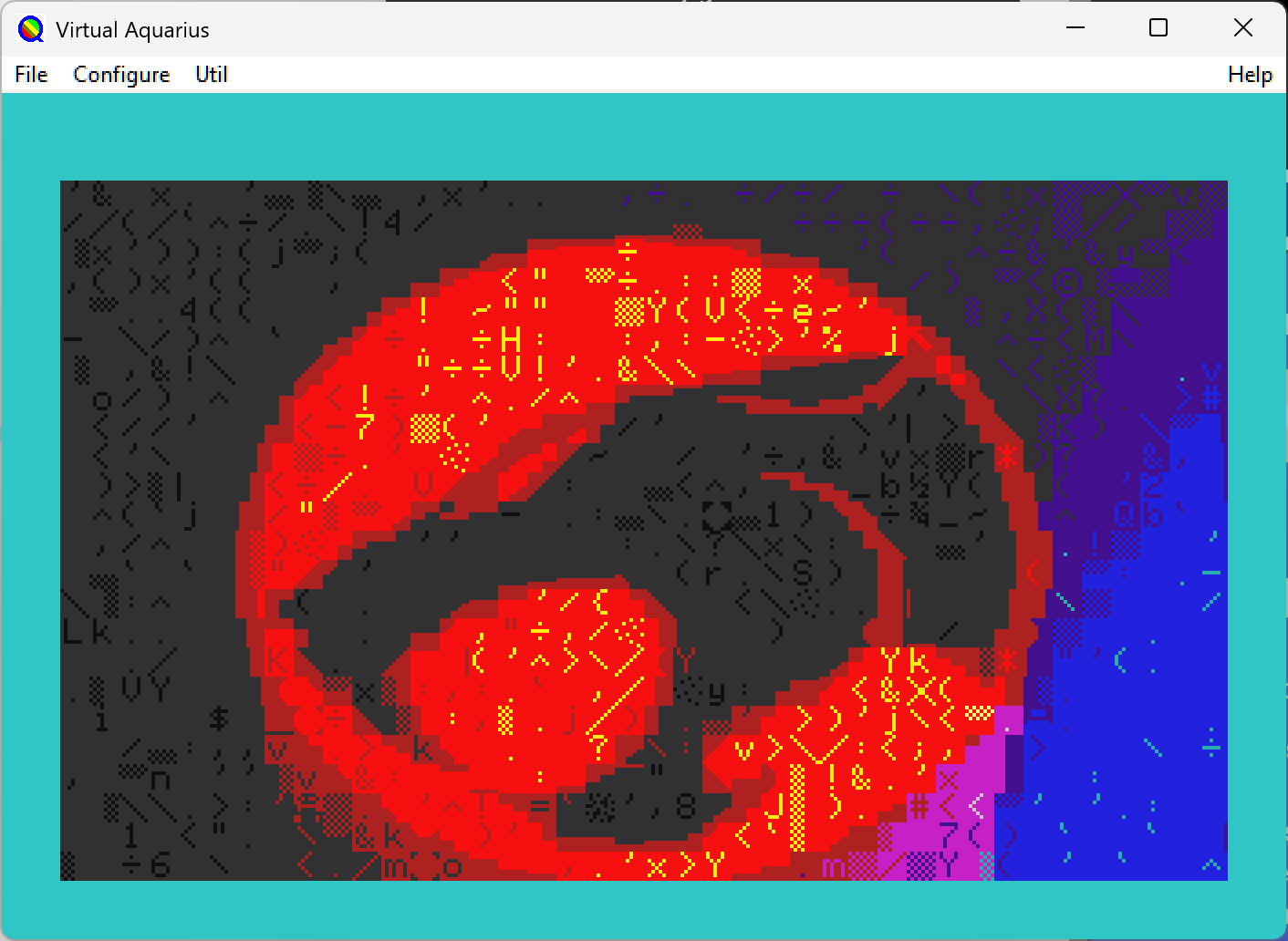
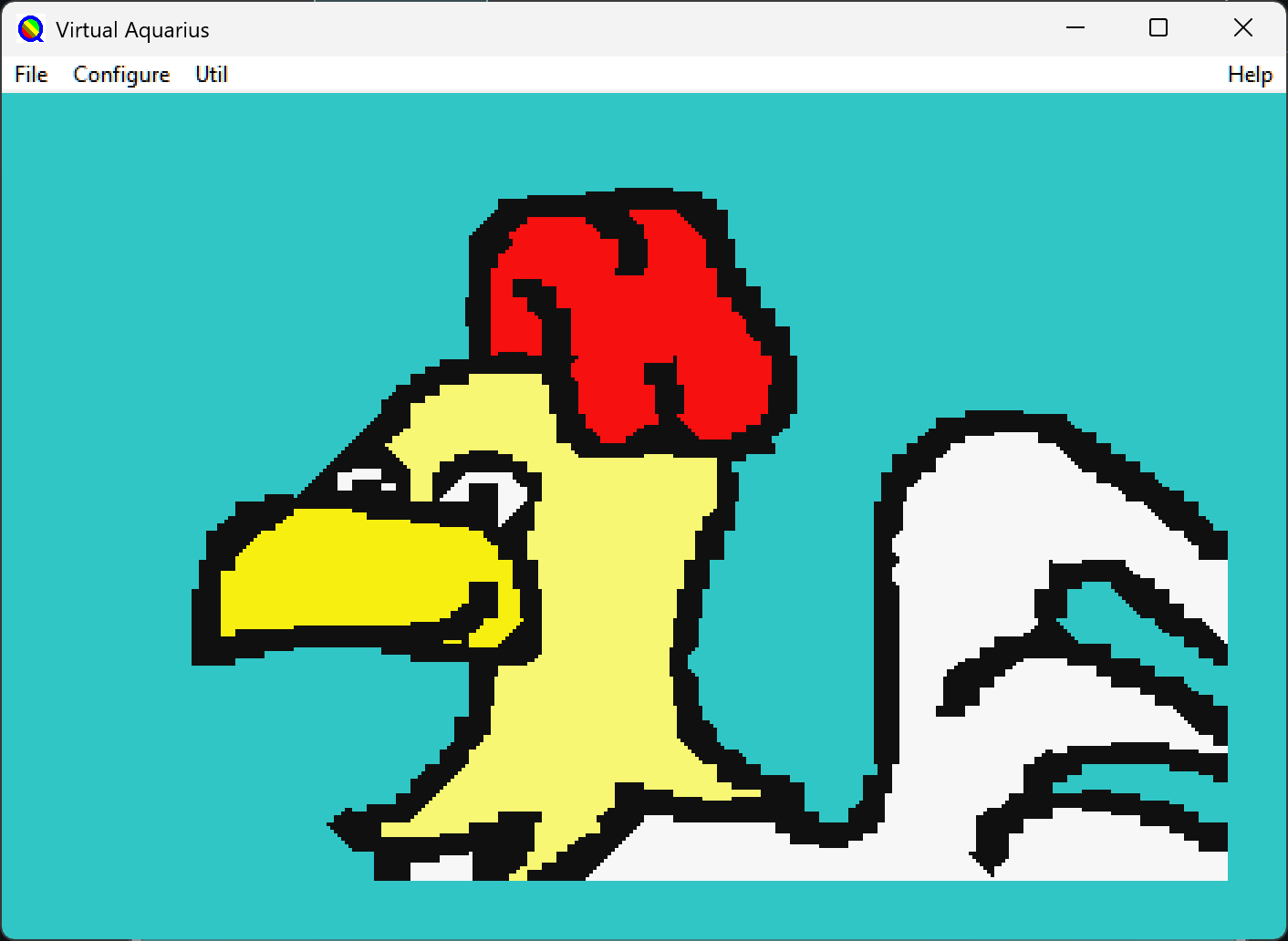
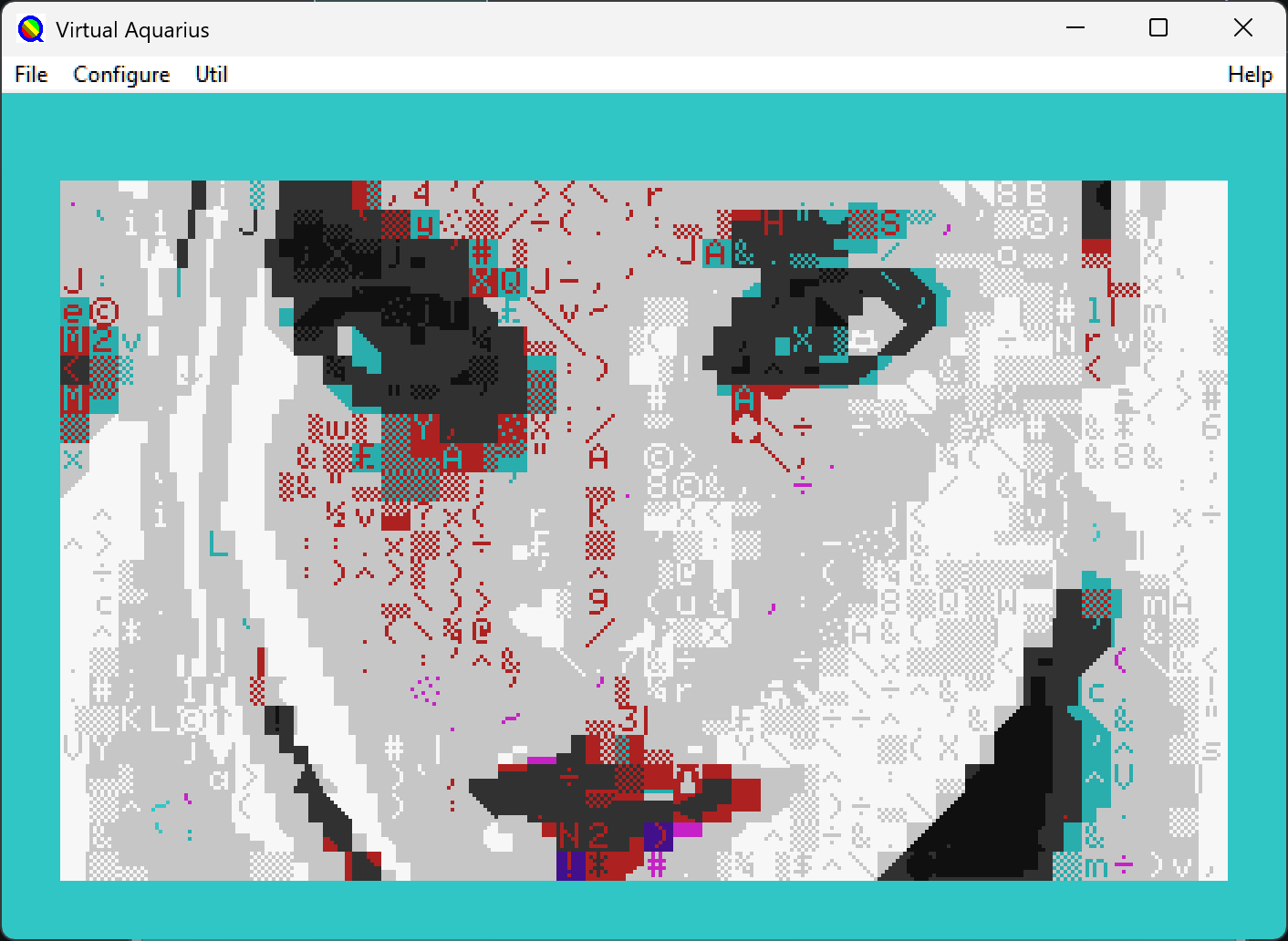
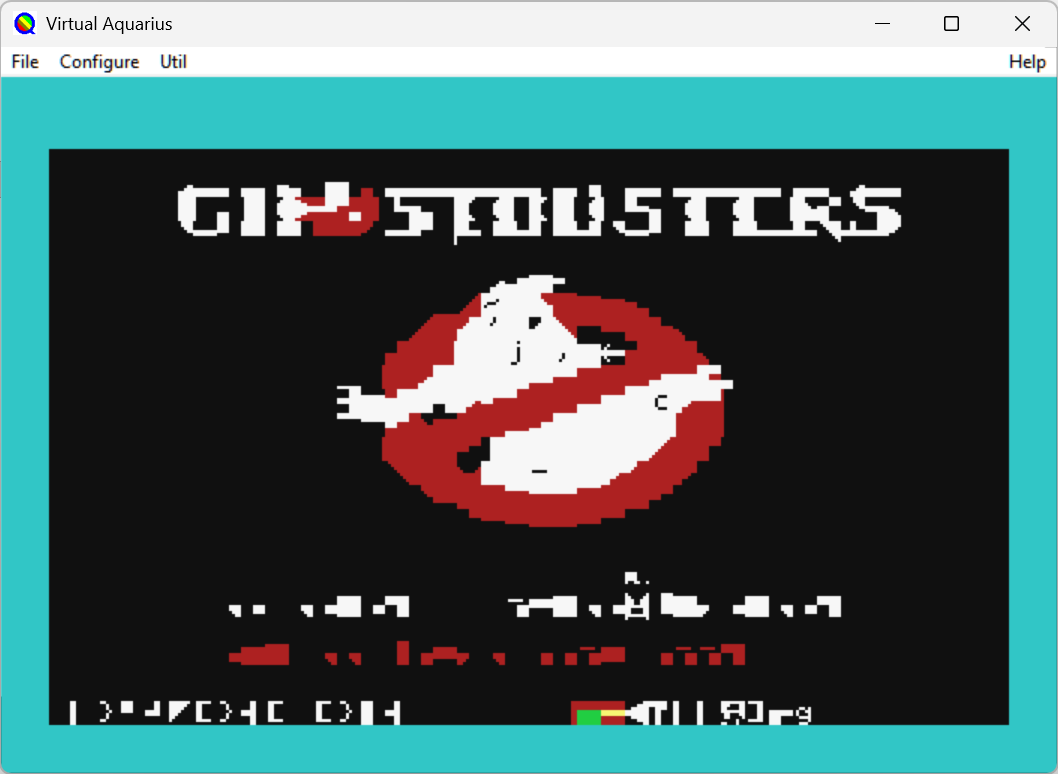
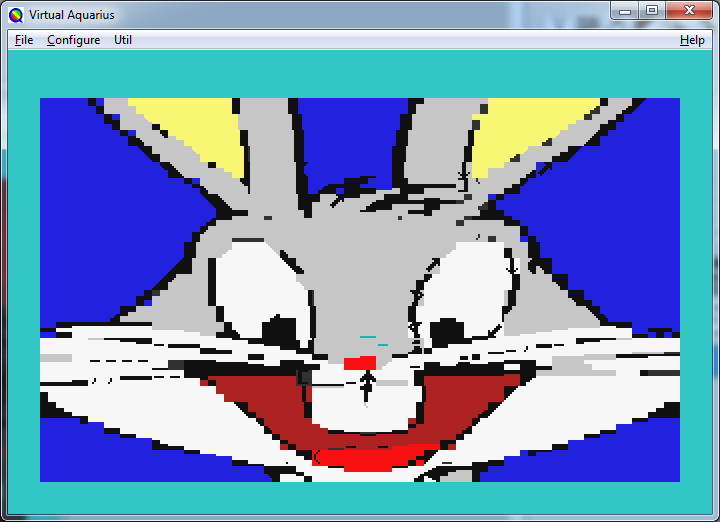
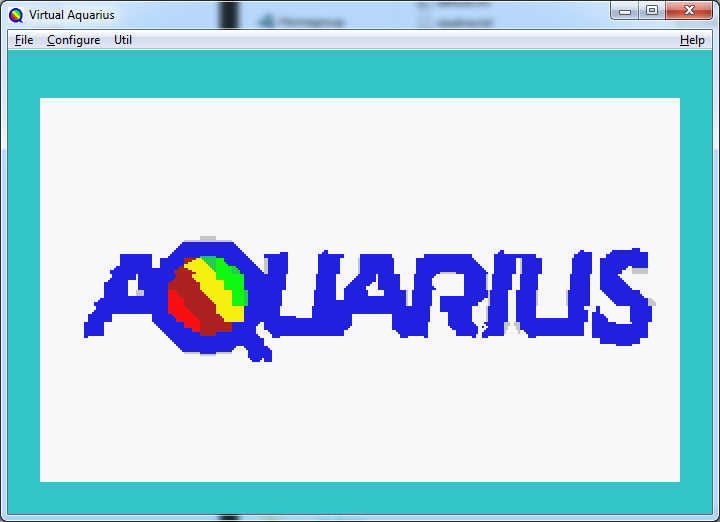
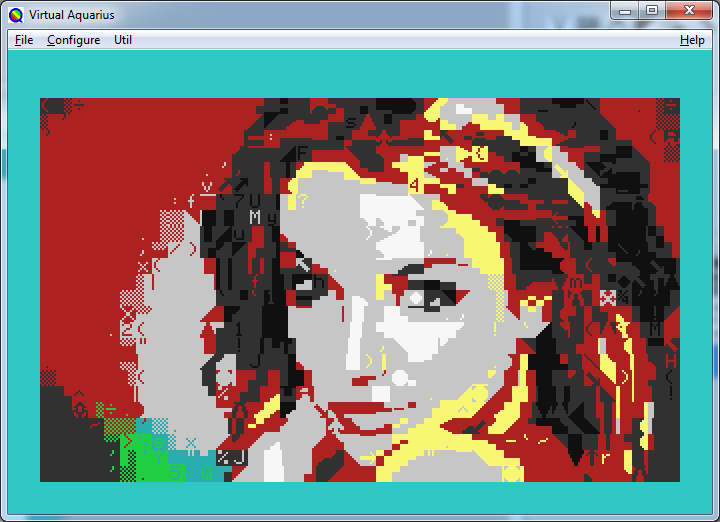
The early converter processes an 80×72 image in 2×3 blocks, choosing character values and two colors for each cell. Later versions work from a 320×192 image and compare 8×8 cells with the Aquarius character patterns. This uses the shapes already present in the character set; it does not provide freely addressable pixels.
The V4.1 interface offers four choices: Full Set, 80×72 Blocks, Graphics Characters, or a Custom Character Set supplied through customchar.txt. It also offers a dithering choice. The captured run uses Full Set with dithering off.
The converter writes a text BASIC listing that loads the character and color data into screen memory. Later examined versions use run-length encoding to represent repeated values in the generated listing. The Windows versions include a bitmap file picker and an on-screen conversion preview.
The original announcement identifies a GW-BASIC bitmap reader from a VOGONS discussion as a starting point. The archive review will match that reference to the surviving source before finalizing the code credits.
Original announcement and development discussionCATCH-UP OVERVIEW · STATUS AS OF September 28, 2026
The project was introduced on AtariAge on November 27, 2010. The first version used QuickBASIC 4.5 under DOSBox to turn 80×72 bitmaps into Aquarius BASIC programs. Run-length encoding reduced the character and color data, and the announcement reported results on real hardware with a 16K cartridge.
On December 12, a Windows version was posted with a file picker and automatic .AQ output, removing the need to run the converter through DOSBox or QuickBASIC. Community testing also exposed character-map discrepancies and raised questions about matching the real machine’s palette.
On December 17, version 3 was released under the name Aquariatizer. Its announcement described support for 320×192 BMPs at different color depths, an Aquarius-color preview, faster conversion and the removal of the extra console window.
The local collection continues into January 2011 with source offering the full character set, block graphics or a graphics-character subset. Several later-dated copies contain identical source; their dates should not be mistaken for separate releases.
The original post credits a GW-BASIC bitmap reader linked through VOGONS as its starting point. That connection matters when documenting the converter’s source and acknowledgements.
The source collection is now organized into a master repository, alongside the original converter screenshots, emulator examples and real-machine photograph. GitHub preserves six historical release groups with eight unchanged ZIP downloads. Matching every historical source to its original binary remains unfinished; subsequent restoration work is recorded in the journal below.
2026-09-28
The recovered source and original downloads are now together on GitHub. Six archival releases cover AQGraph through V4.1; all eight ZIP attachments retain their original bytes and bundled samples.
V4.1 is marked as the latest recovered package. These are archival republications, not new builds or backdated GitHub releases.
2026-09-28 · 4.1.1
The Aquarius Image Converter now has a stable modern compiler compatible version. V4.1.1 freezes the working source and provides a freshly compiled Windows executable, built with FreeBASIC 1.10.0.
The download includes the source, custom character list and build instructions, so the same version can be run or rebuilt. The original historical releases remain available unchanged.
Windows compilation and operation were confirmed at the initial compatibility release. The BASIC output correction and subsequent Virtual Aquarius test are recorded in the following update; the existing gallery images remain historical demonstrations.
2026-09-28 · 4.1.1
An early-line-ending bug in the generated BASIC DATA statements has been fixed. The owner tested the corrected output in Virtual Aquarius and confirmed it worked perfectly.
The existing v4.1.1 download has been refreshed with the corrected executable and matching source, plus four 320x192 test images: Ariel, Bart, Space Quest and Sonic. If you downloaded the earlier v4.1.1 package, download it again.
Automated checks verify the DATA line numbers, section endings and complete screen data. No new physical Aquarius test is claimed.
AtariAge · November 2010 onward · Original project discussion
November 27, 2010 announcement, original package and demonstration images.
AtariAge · December 12, 2010 · Historical release
December 12, 2010 post with BMPAQV2.zip and usage notes.
AtariAge · December 17, 2010 · Historical release
December 17, 2010 post with BMPAQV3.zip and the expanded input-color support.
AtariAge · November 28, 2010 · Source of example images
November 28, 2010 image gallery, including the Ariel emulator capture shown here.
AtariAge · December 11, 2010 · Source of example images
December 11, 2010 examples, including the Aquarius logo and portrait shown here.
LATEST DEVELOPMENT DOCUMENTATION
Live from GitHub’s default branch. This may describe features newer than the downloadable release.
Open this tab to load the README.
Download v4.1.1 for Windows — Corrected 32-bit converter, matching source and build scripts, checksums, and four test BMPs. The owner confirmed the output in Virtual Aquarius. Earlier v4.1.1 downloads should be replaced with this refreshed ZIP.
Download demo output files — 17 BASIC image listings named _AQ.TXT in one Demo Output folder, with the owner’s Virtual Aquarius test checklist. Includes 16 passing examples and ninjag_AQ.TXT, marked failed and retained for troubleshooting.
v4.1.1 release notes — Build configuration, package contents and the remaining validation limits for this compatibility snapshot.
Download original V4.1 ZIP — The unchanged historical package: converter executable, source, custom character list and original sample bitmaps.
Source on GitHub — The active modern compiler compatible source and preserved historical source collection.
All six historical releases — AQGraph, V1, V2, V3, V4 and V4.1, preserved as eight original ZIP attachments.
Virtual Aquarius emulator — The emulator used for this project’s confirmed BASIC-output test. Download archive hosted by Zophar’s Domain.
AquaLite emulator — Richard Chandler’s Aquarius emulator. Official download page with Windows, Linux and Raspberry Pi 400 editions.
Comments
Questions, suggestions, or something you’ve tried with Aquarius Image Converter? Join the conversation.
On-page comments are not open yet.